|
"It’s like having a window over the
wound."
A
Green
Product
by


Company Videos
Animal Damage Video 1
Insect Damage Video 2
Storm Damage Video 3
Pruning Damage Video 4
|
|
 |
|
Product Description |
|
Tree care for tree wounds,
tree pruning, tree damage, tree trimming and tree repair ~ start with
Tree Bandage. A unique solution
completely different from those traditionally used to treat trees with
damaged limbs or trunks.
Non-toxic, non-hazardous with zero VOC and will
not
harm the tree or bush. A silicate in water that penetrates into
the
wound and provides a permanent seal. Forms a glassious covering that
actually becomes part of the tree, sealing the tree or bush with a
relatively impermeable material. Allows calluses to form over the
wounded area. The bandage will begin forming within minutes of application.
Complete bandage hardness is usually accomplished within a week of the
application. Has been in field tests for over 10 years. |
|
|
|
|
Major Pruning
Wounds
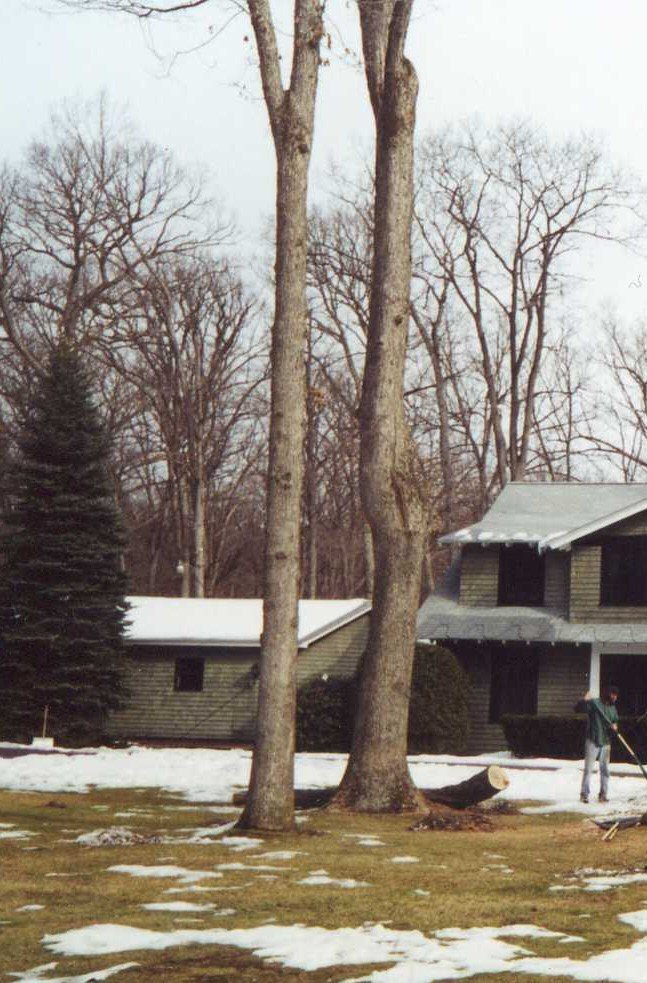
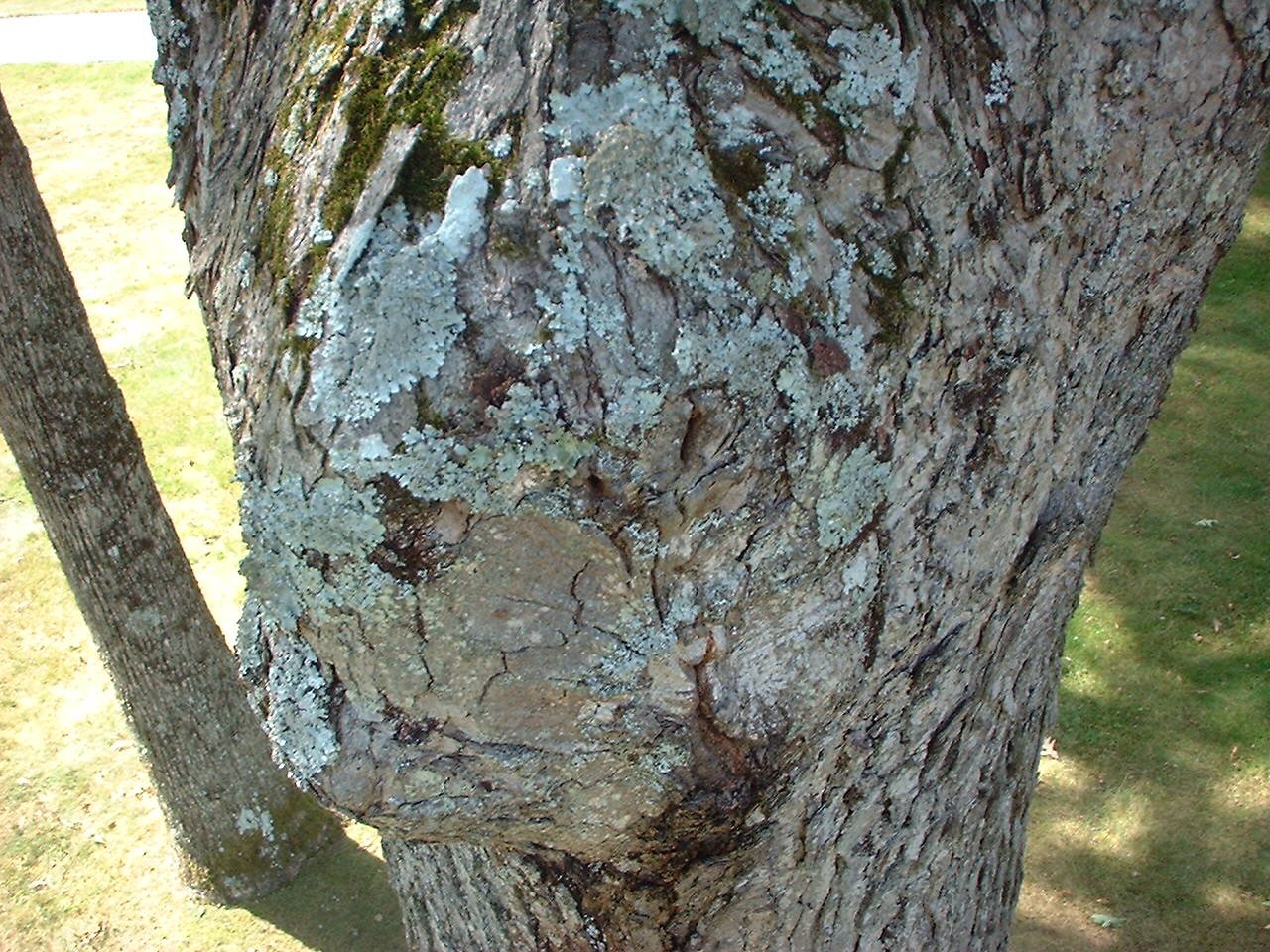
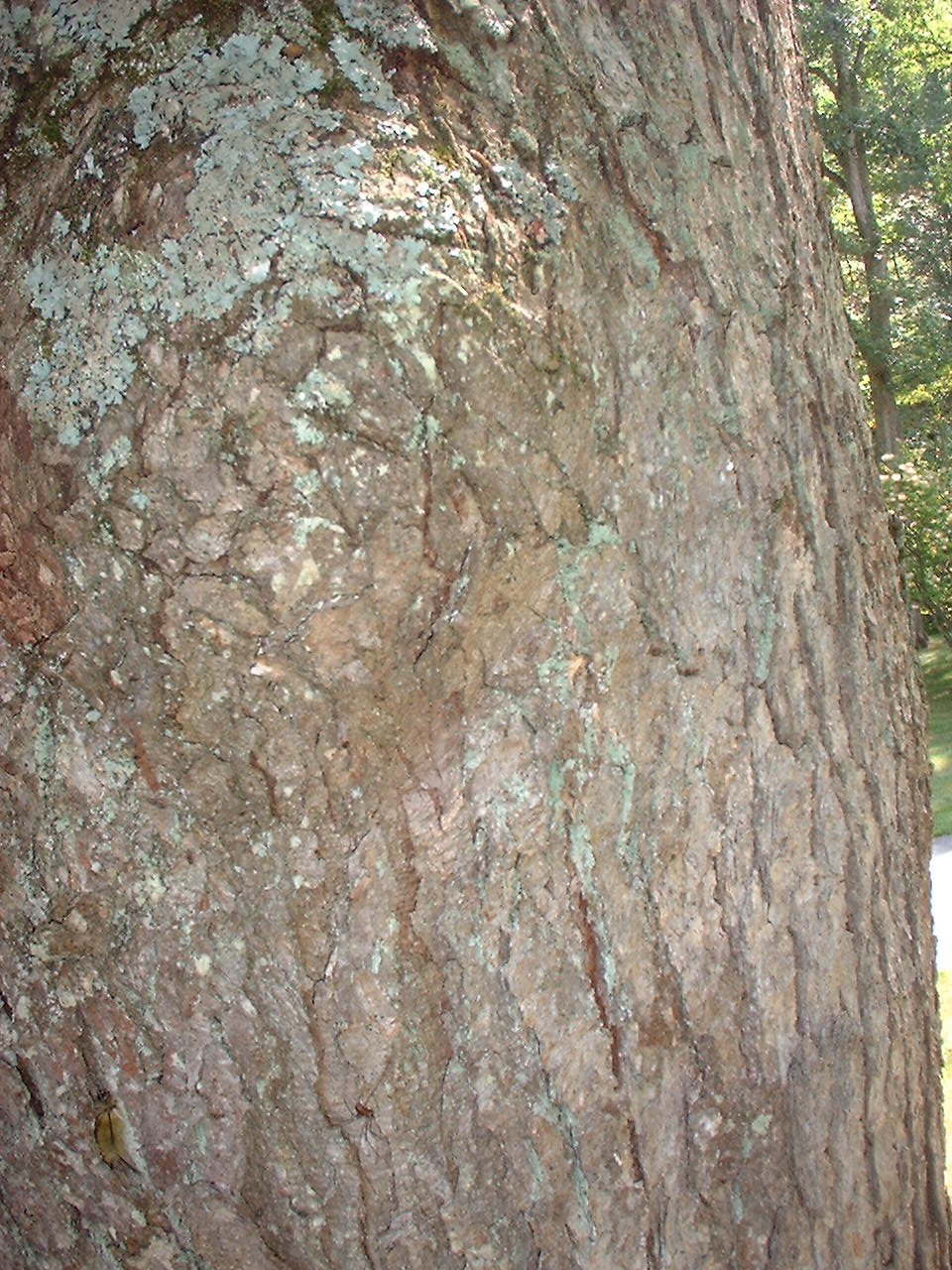
Below is a picture of
two 150 year old oak trees that were trimmed in 2001 and treated
with Tree Bandage followed by 2 pictures of large cut wounds that
are now fully callused. |
|
 |
 |
 |
|
|
|
|
Easy
Application
l
Must be used straight from the container
with no mixing or dilution. Shake well.
l Should be applied
immediately after trimming or pruning.
l
Can also be applied to old
wounded surfaces,
l
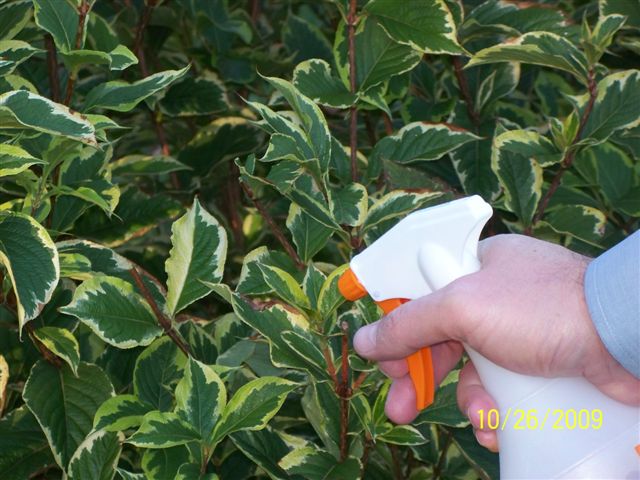
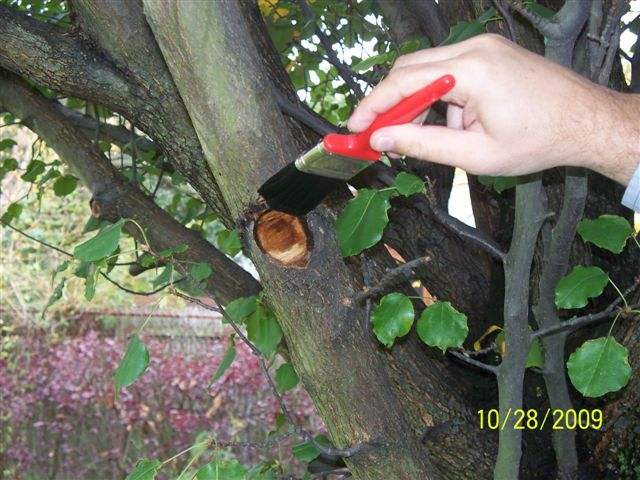
Is usually applied using a
brush. However, for treating very large areas or bushes,
a garden sprayer is suggested to increase application efficiency.
l
Two or three applications are sometimes
required to fully cover the wound area.
l
Can be sprayed over the
entire plant if necessary to achieve proper coverage and cannot
harm any plants including your lawn.
l
Coverage is 100 sq. ft. per
gallon per coat.
Temperature
Considerations
Tree Bandage is a water-based, non-toxic
solution. As such, it is best used in temperatures above freezing.
It is recommended that Tree Bandage not be applied when tree surface
temperatures are below 20 degrees F.
|
|
|
 |
 |
|
Spray
application to trimmed bush. |
Brush
application to pruned tree. |
|
|
|
Special Severe Wounds |
|
It is vital to treat all wounds and cuttings
as soon as possible. In the
case of severe wounds,
be sure to saturate the
surface with Tree Bandage.
Continue applications until it will no longer
soak in after 15 minutes.
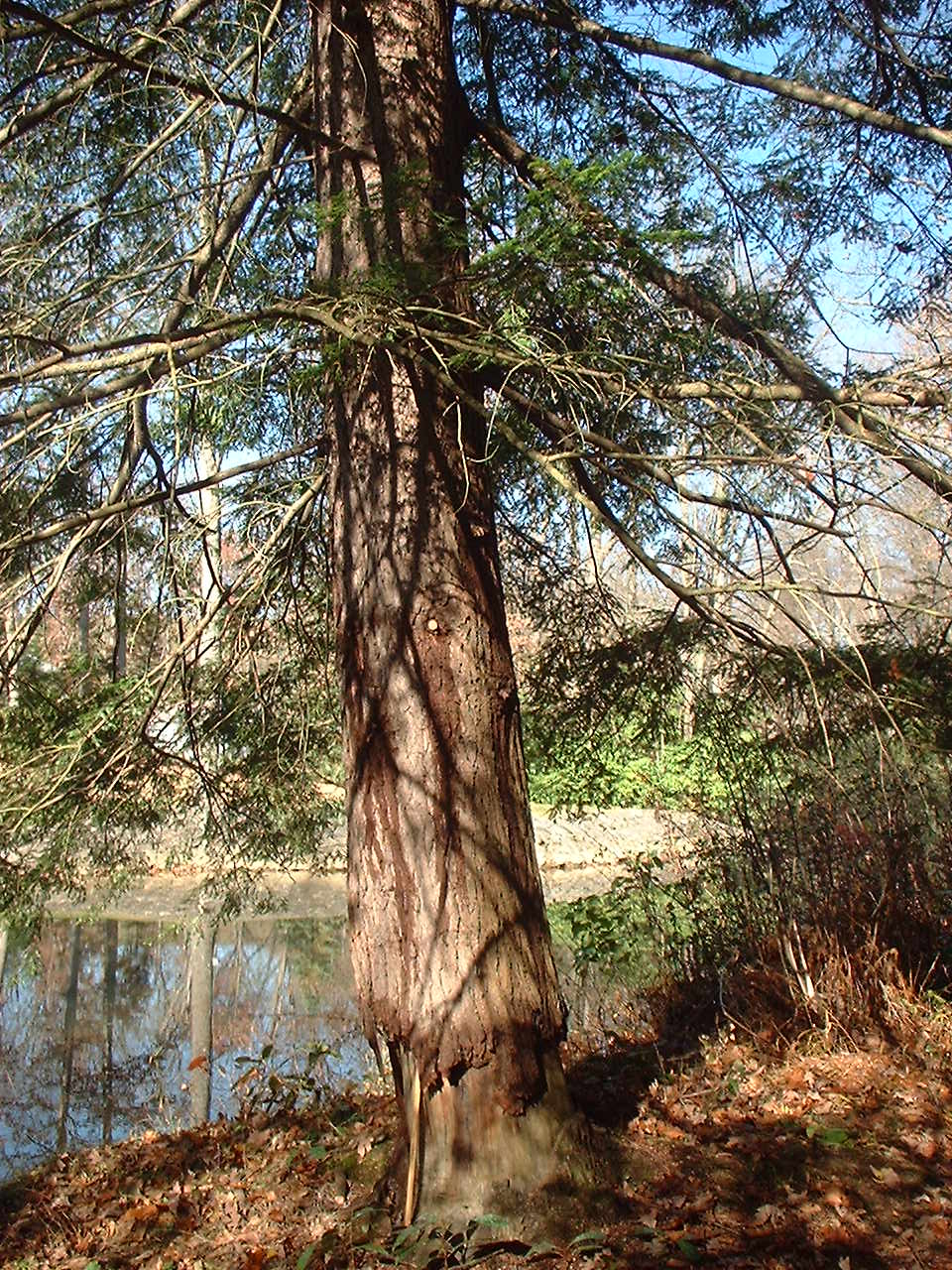
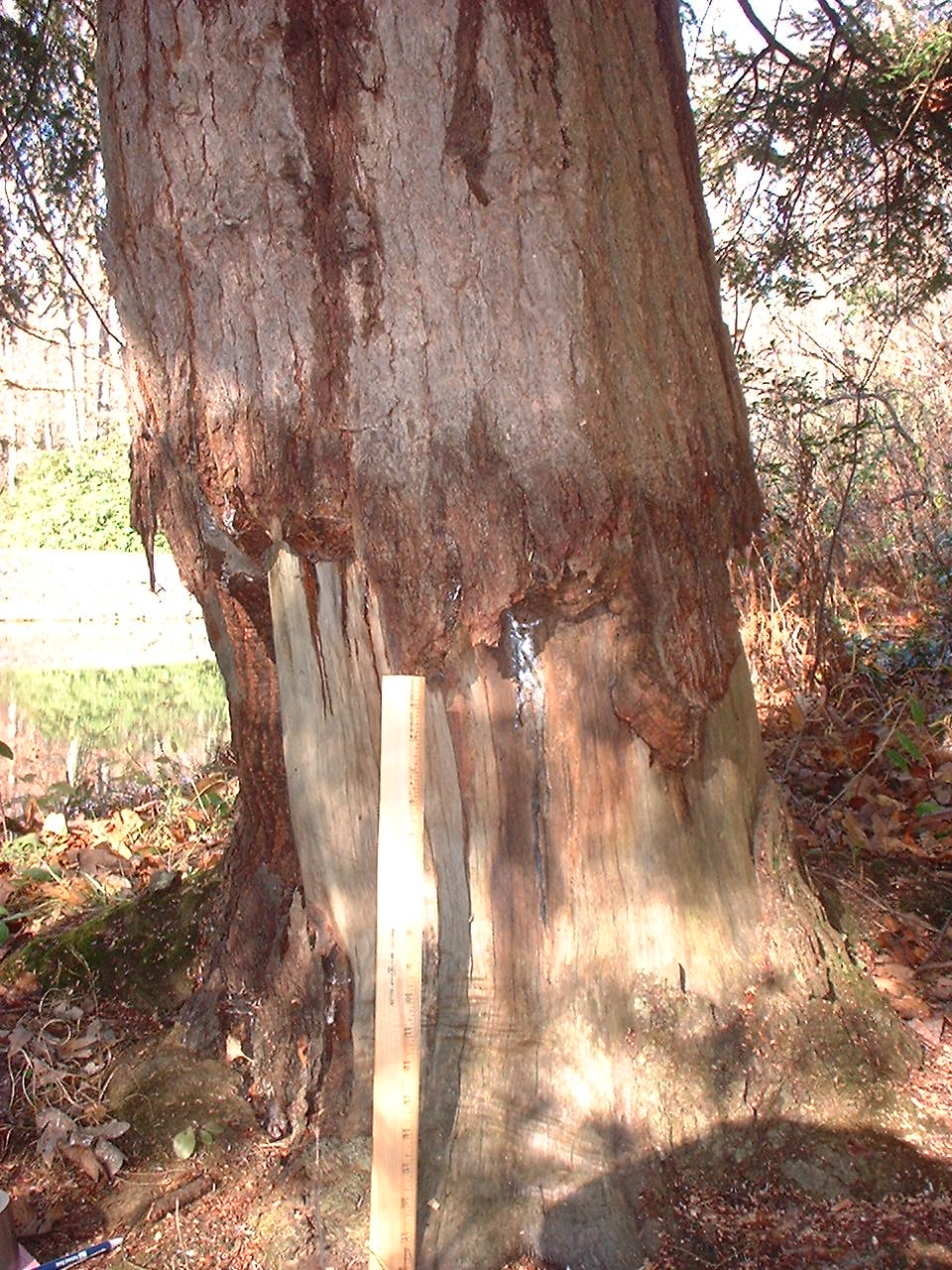
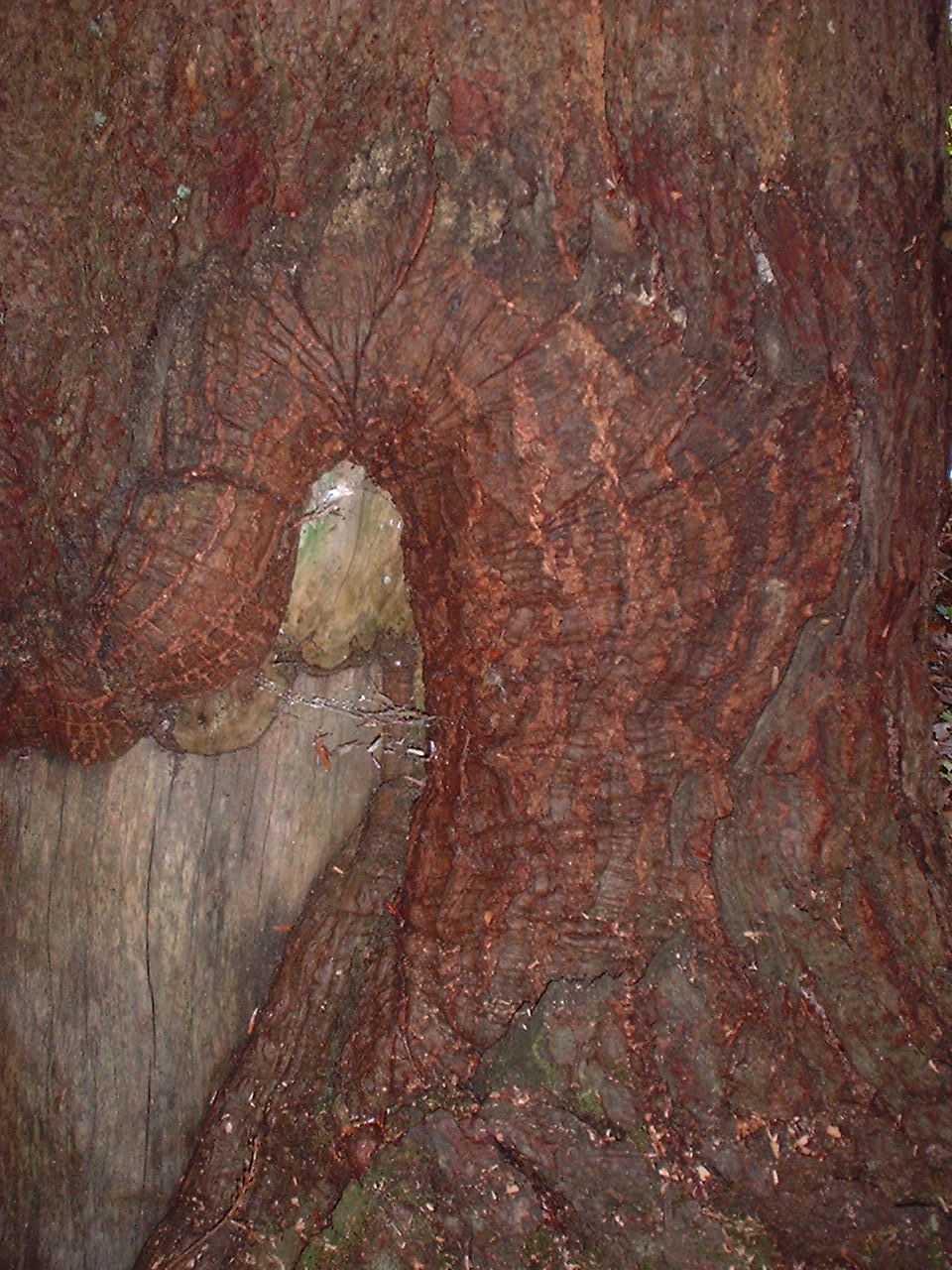
In the Summer of 1994, several beavers attacked a 100 year old, 75 foot
high
Hemlock tree.
They ate about 4 inches
into the tree, stripping off
80% of
both the outer and inner bark around
the base of the trunk.
Within less than 48 hours of this damage event, the tree was
treated with 3 saturating applications
of Tree Bandage.
On October 29, 2009, fifteen years after the damage event, a few lower
dead
branches (photo #1) were removed to
allow for close-up photography of the
tree. Immediately following removal of the dead lower branches,
those cuts
were treated with 3 applications of Tree Bandage. Some brown-colored
runoff
from those newly sprayed areas can
be seen in the photos presented here.
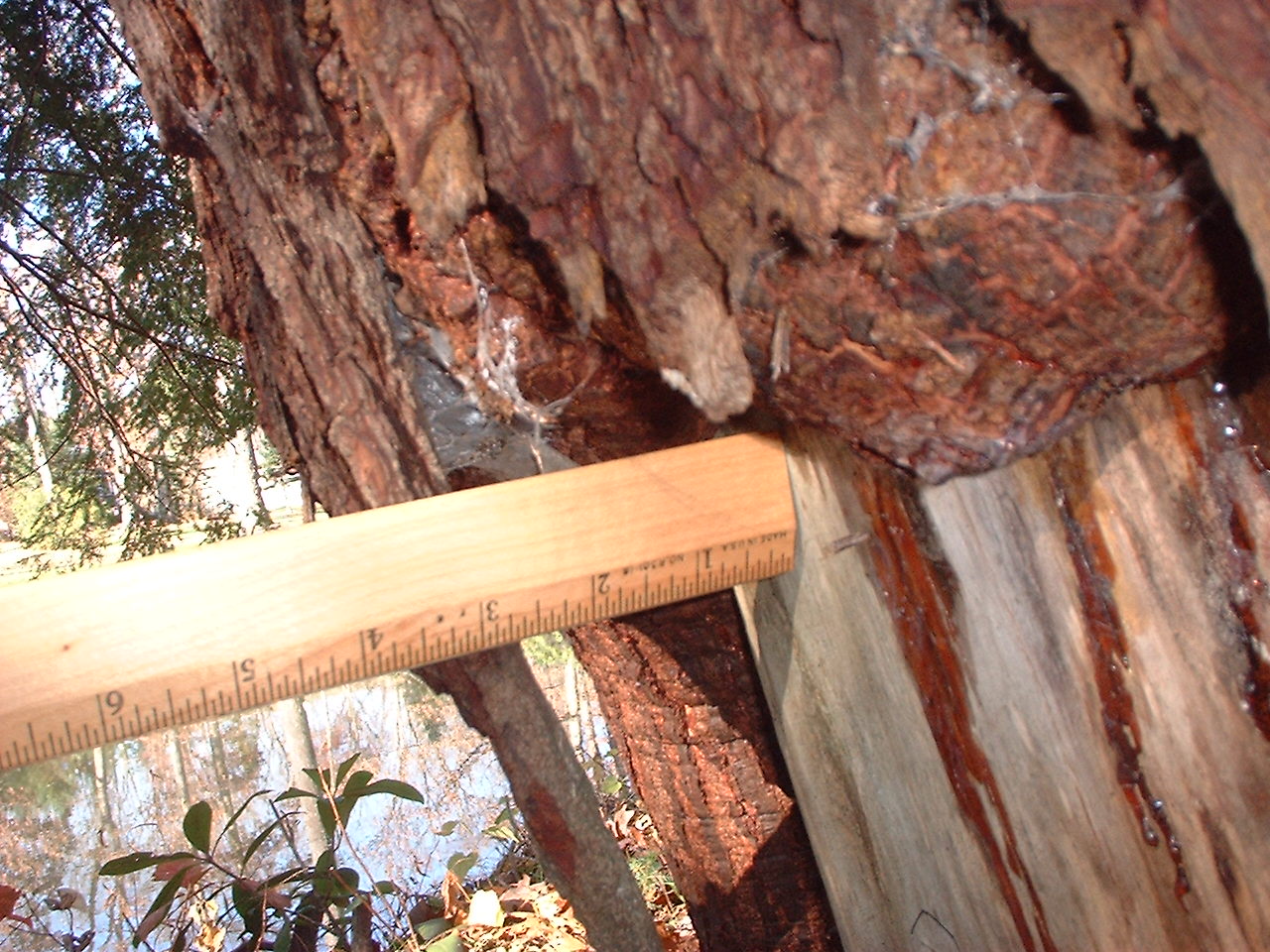
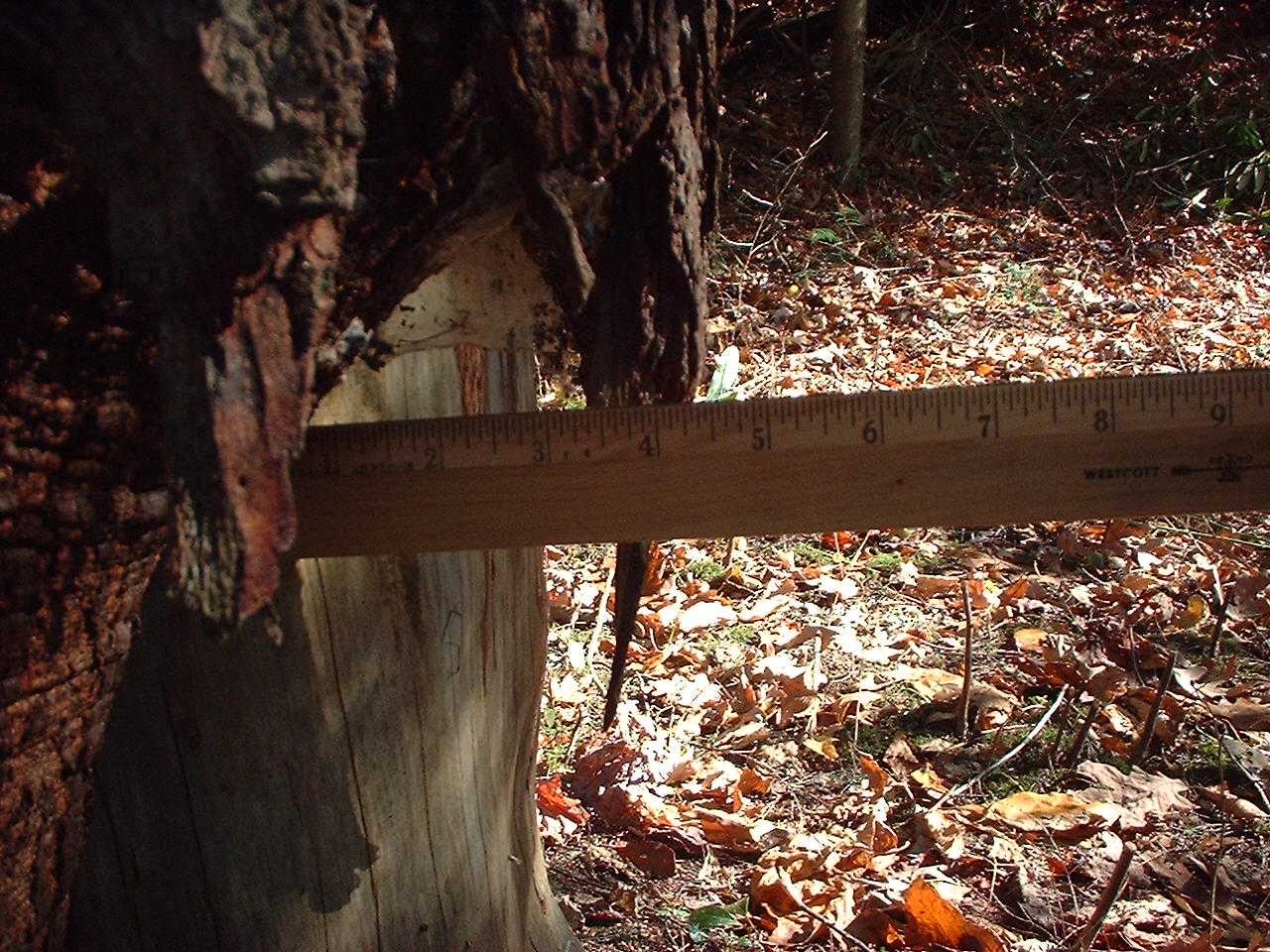
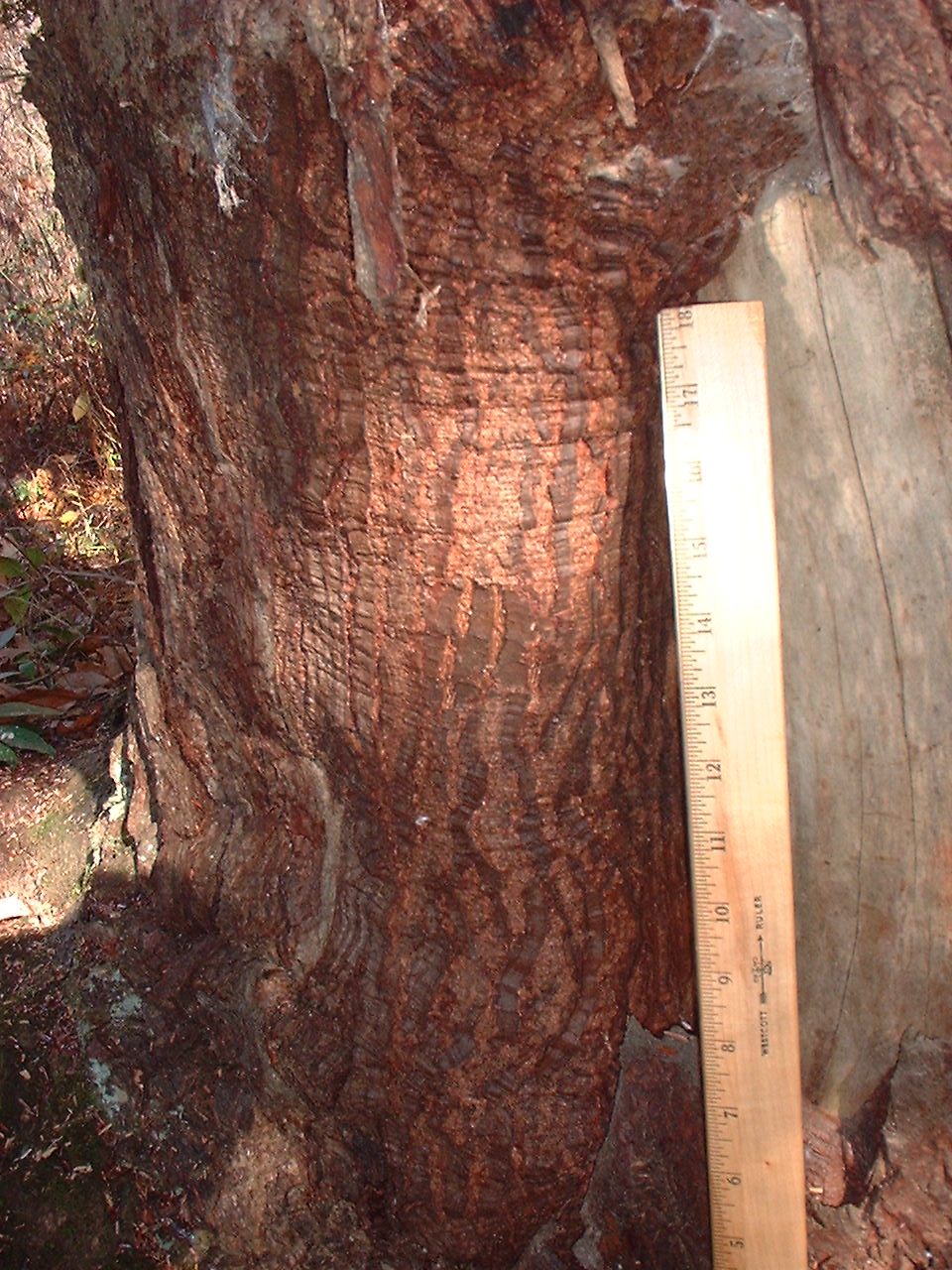
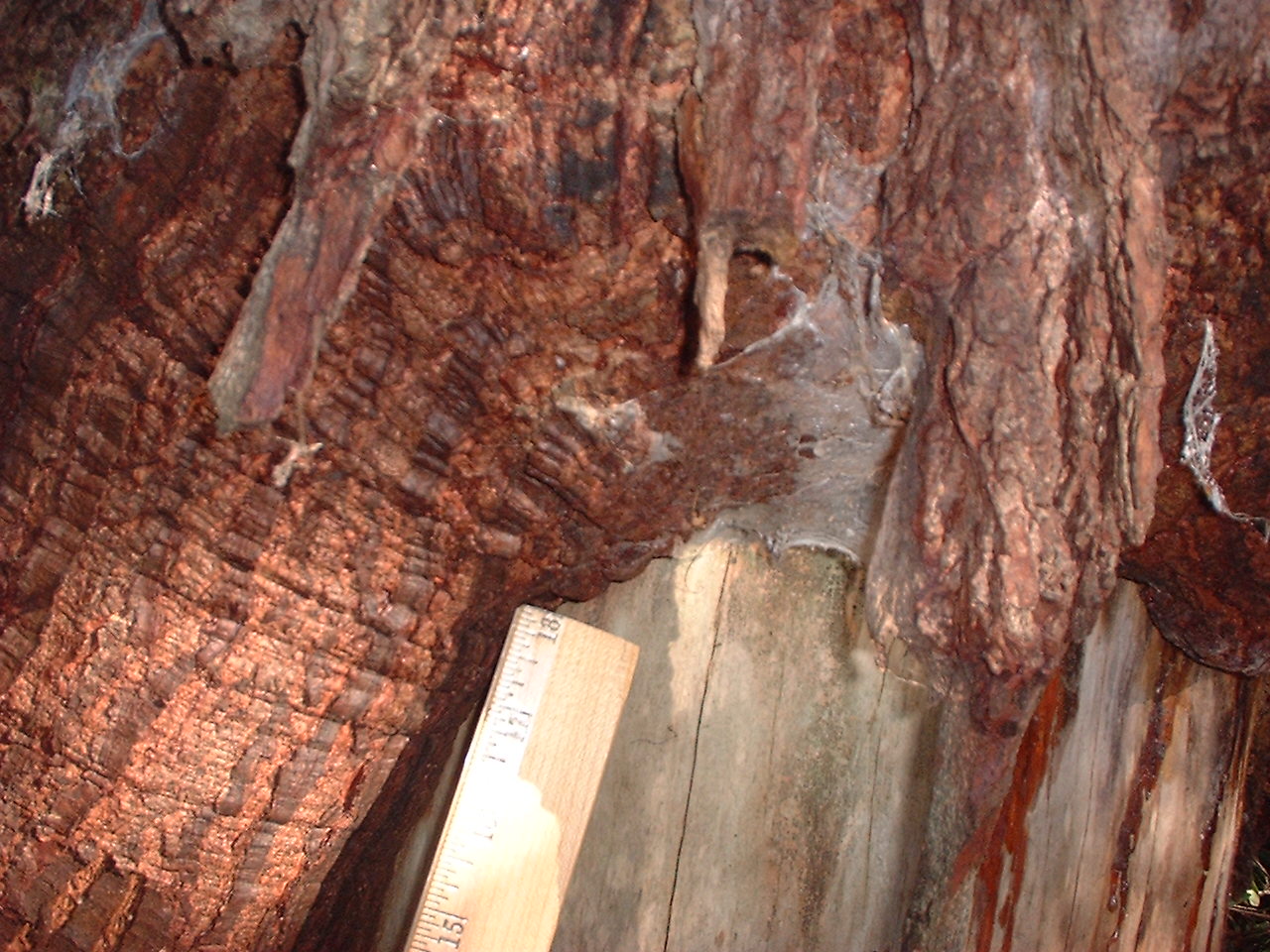
Some photos use an 18 inch ruler for perspective. All photos were
taken
between October 29, 2009 and November 2, 2009.
The circumference of the tree was measured from the midpoint of damage as
measured vertically. Maximum
vertical damage was 24 inches (photo #2
shows
varying vertical damage using the 18 inch ruler for perspective).
Circumference measured 71 inches and was not adjusted for approximately 4
inches of outer and inner bark
removed by beaver damage, as shown in
photos #3 and #4.
Damage resulted in complete removal of the phloem all the
way down to the cambial zone. Damage measured 57
inches in circumference or 80% (57/71=80%) of the tree, much of which is
shown in photo #5. Of the damaged
section, 13 inches or 23% (13/57=23%) has successfully callused to
date; the left and right calluses measure 7
inches (photo #6) and 6
inches,
respectively, in width (photos #7 and #8).
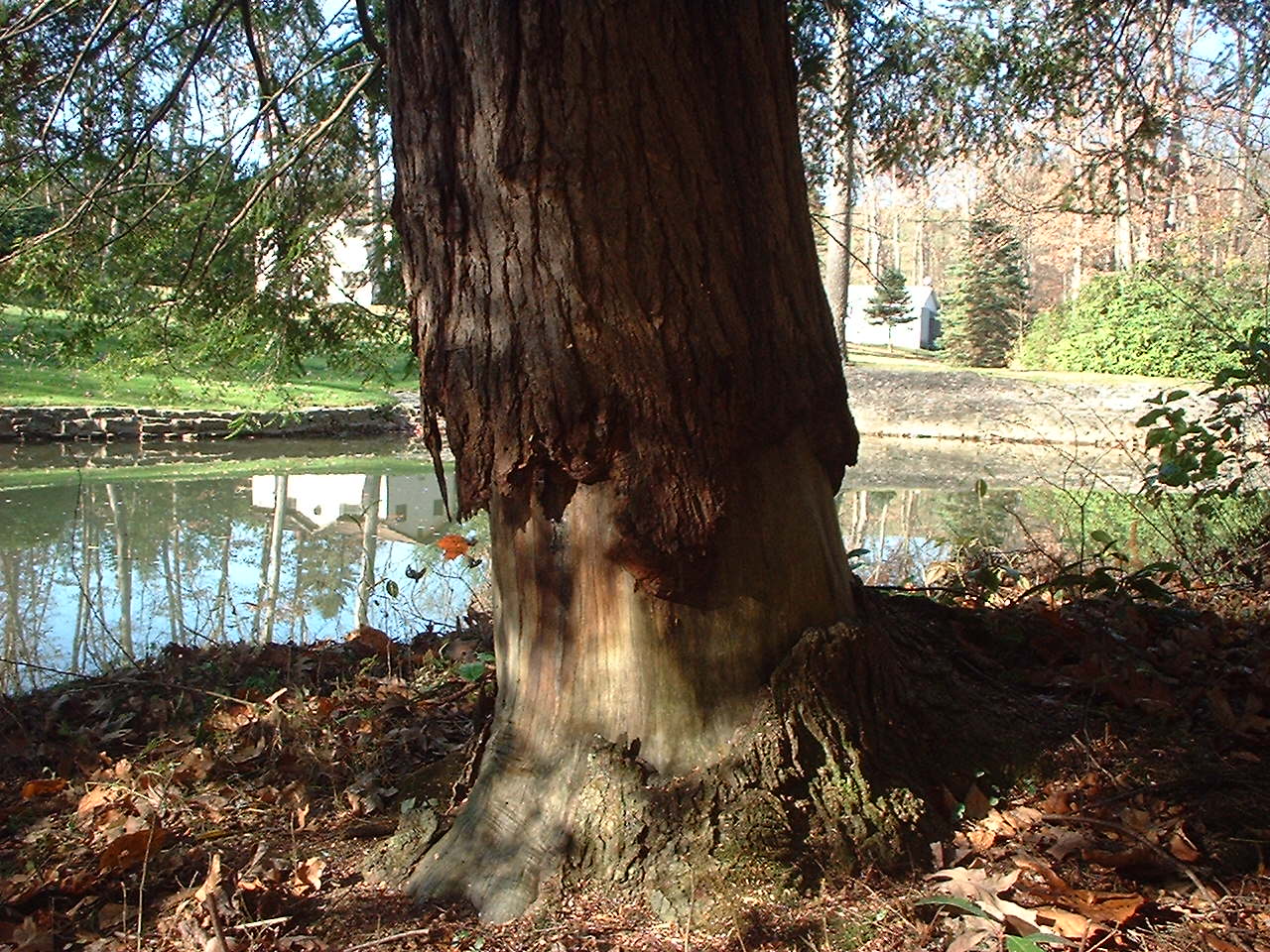
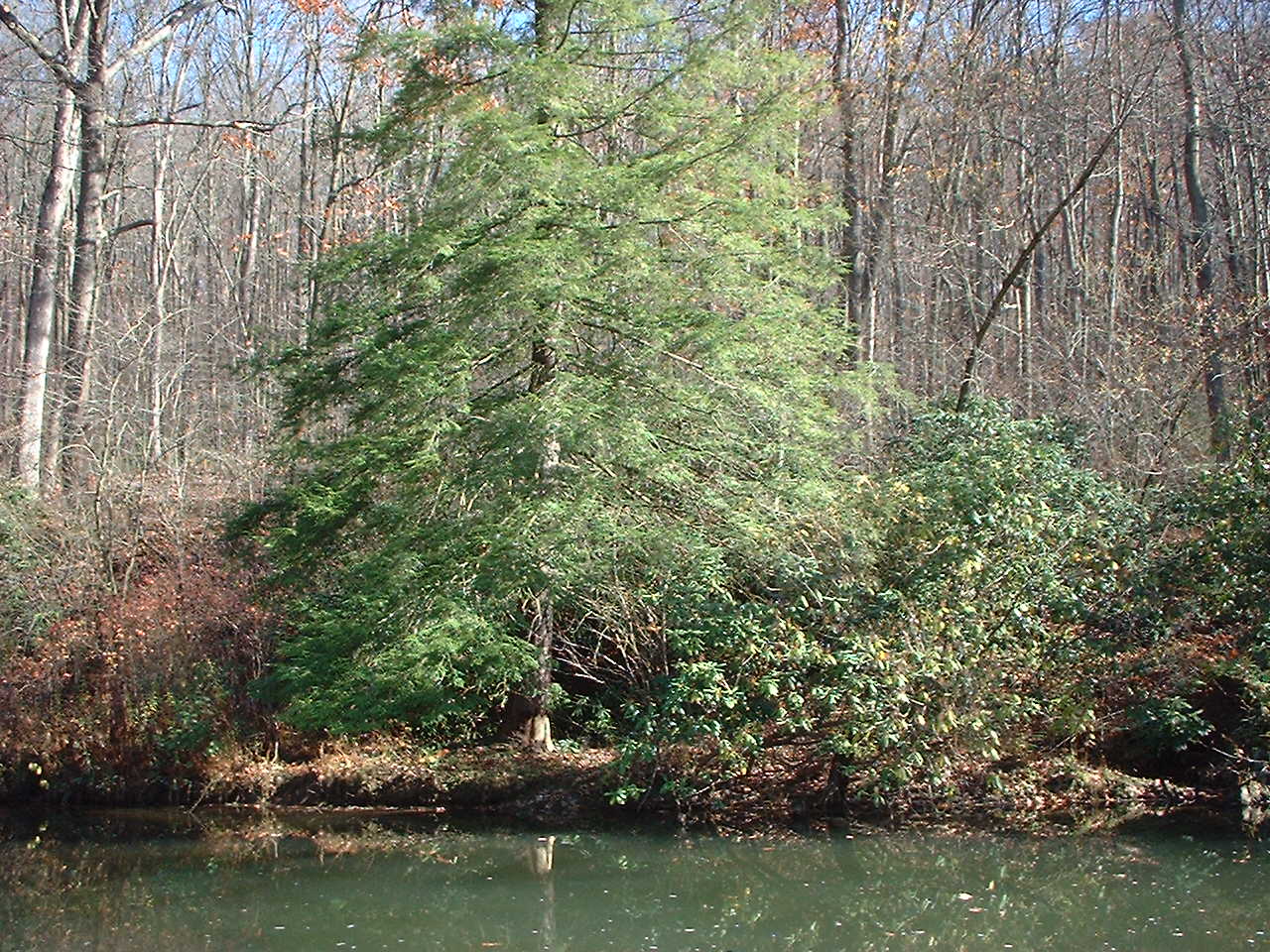
Despite the enormity of the damage, treatment with Tree Bandage resulted
in
a healthy and vibrant hemlock
specimen today. Photo #9 shows the
tree with
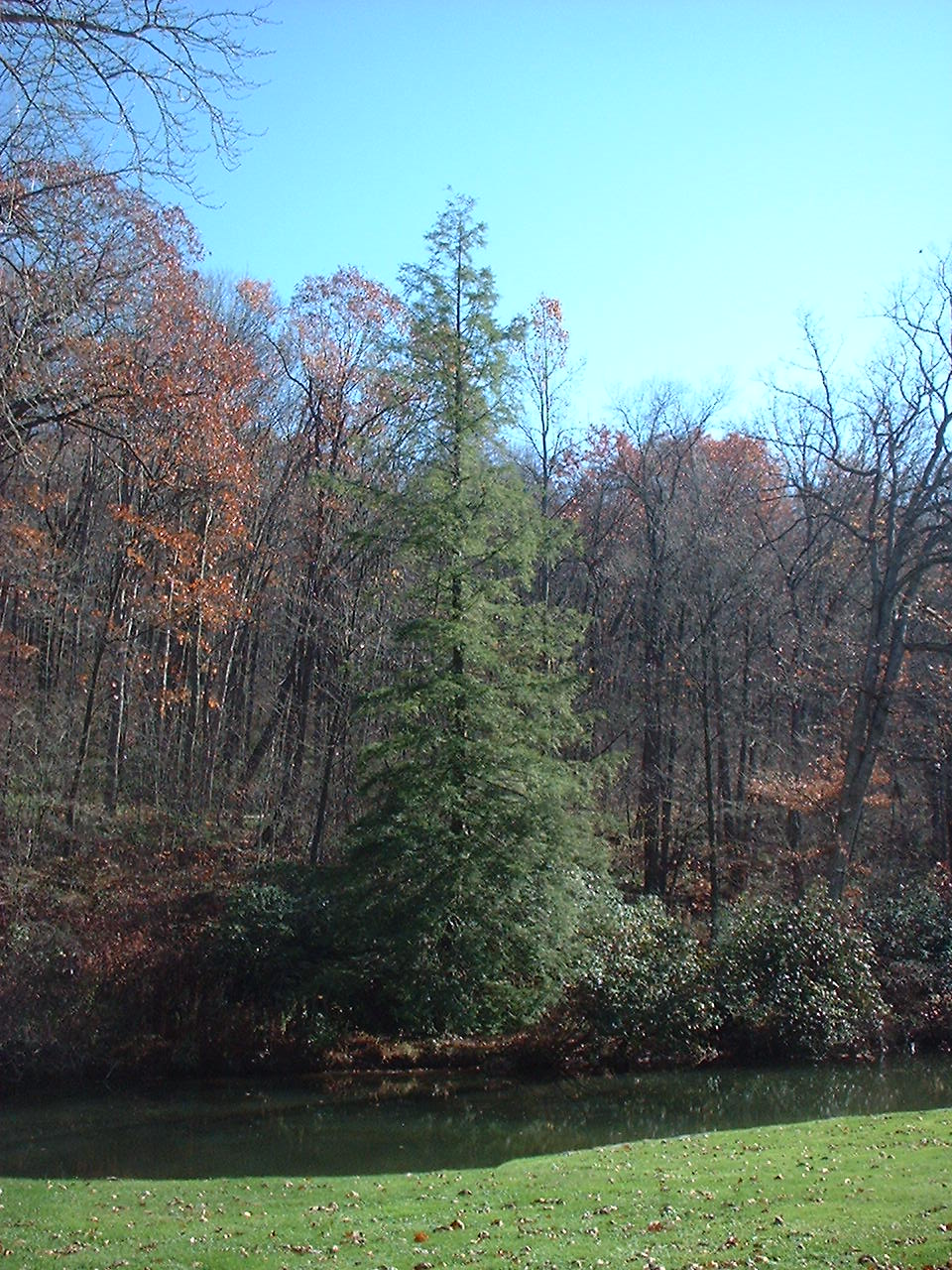
evidence of trunk damage. Photo#10 shows the entire tree with
full
branches
and a beautiful natural canopy.
|
.jpg) |
.jpg) |
.jpg) |
| Photo 1 |
Photo 2 |
Photo 3 |
.jpg) |
.jpg) |
.jpg) |
| Photo 4 |
Photo 5 |
Photo 6 |
.jpg) |
.jpg) |
.jpg) |
| Photo 7 |
Photo 8 |
Photo 9 |
| |
.jpg) |
|
| |
Photo 10 |
|
| |
|
|
|
|
Extreme Bush
Pruning |
Normally when bushes are pruned nothing needs to be done to treat the resulting wounds. The plants are able to
compartmentalize the affected areas and callus over them. However, in the following two cases, the bushes were
severely damaged by winter ice. As a result, they had to be severely cut back, meaning that more than 50% of the
bush had to be removed in order to reshape them.
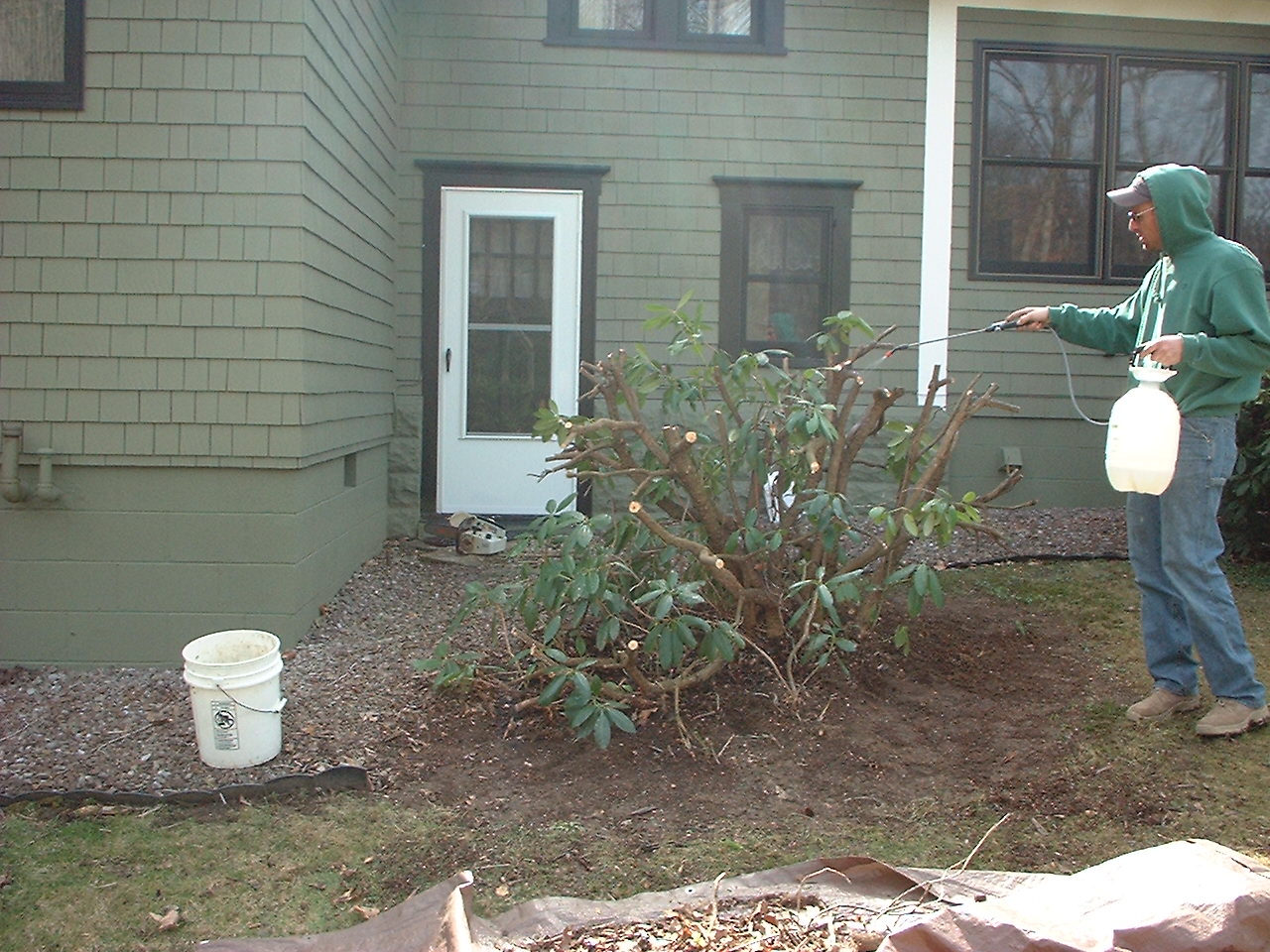
In those cases, the bushes were sprayed with Tree Bandage.
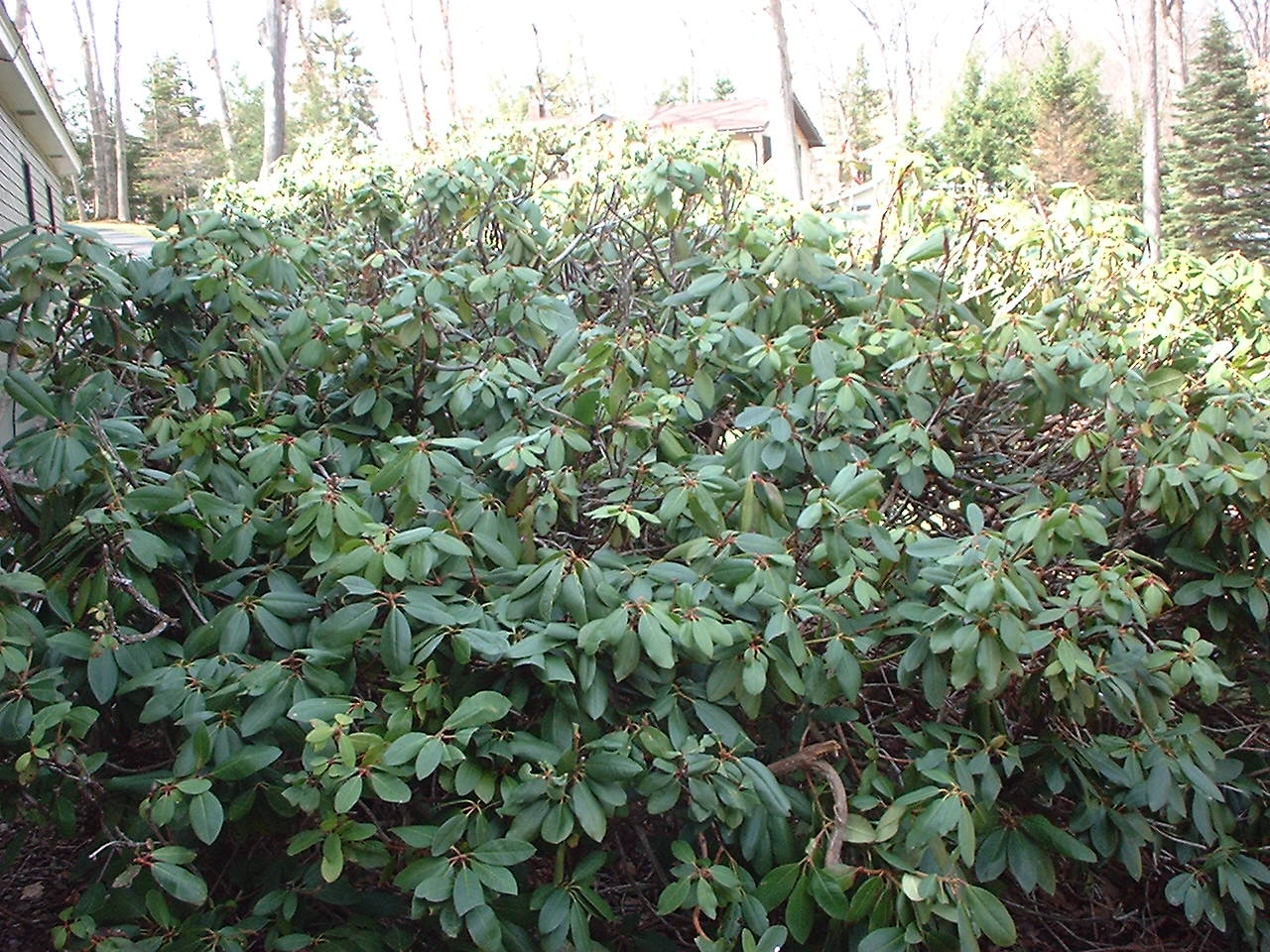
Rhododendron Bush (planted circa 1970)
 |
 |
 |
|
|
Photo 1 |
Photo 2 |
Photo 3 |
|
|
|
 |
|
|
|
|
Photo 4 |
|
|
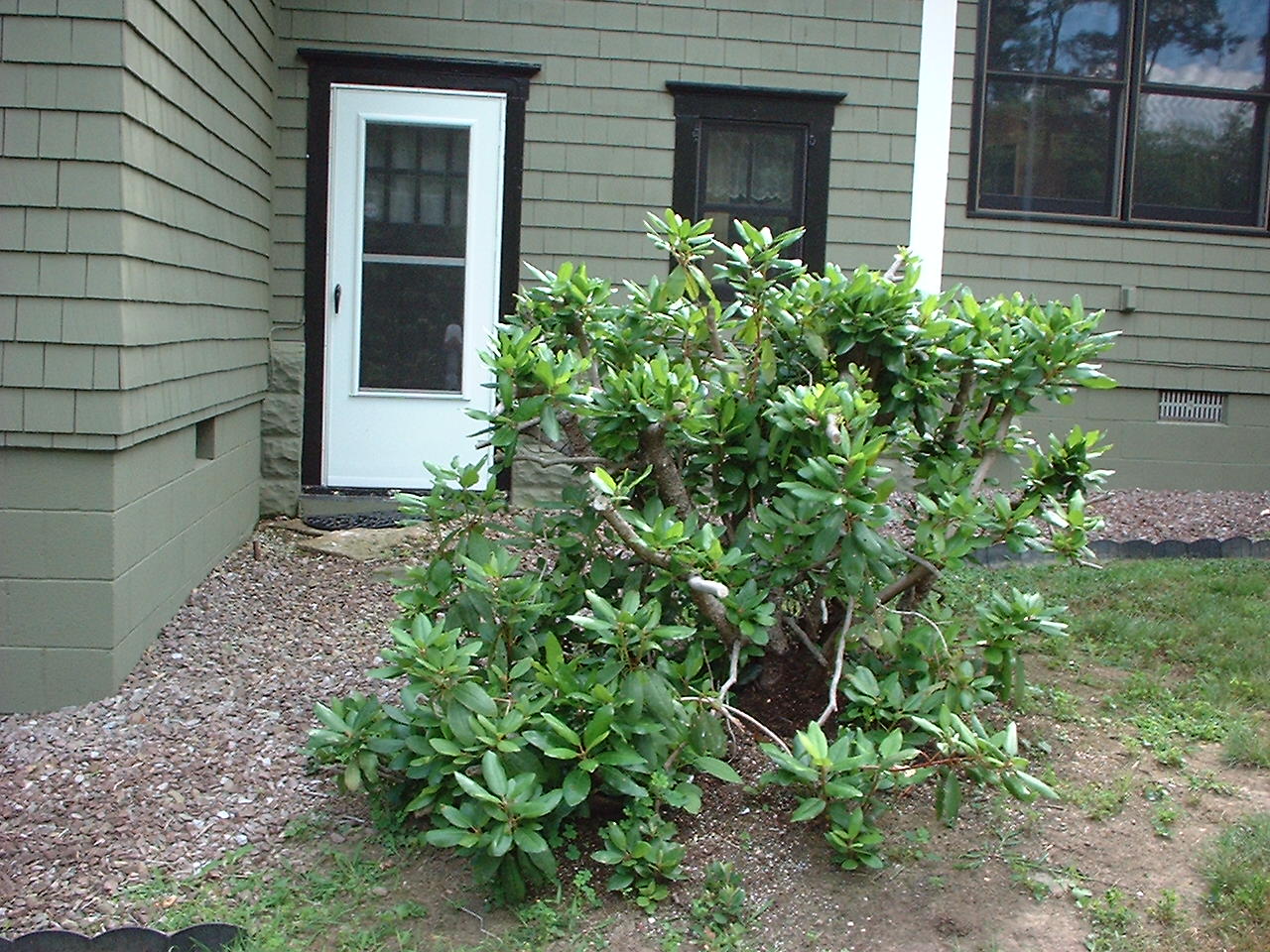
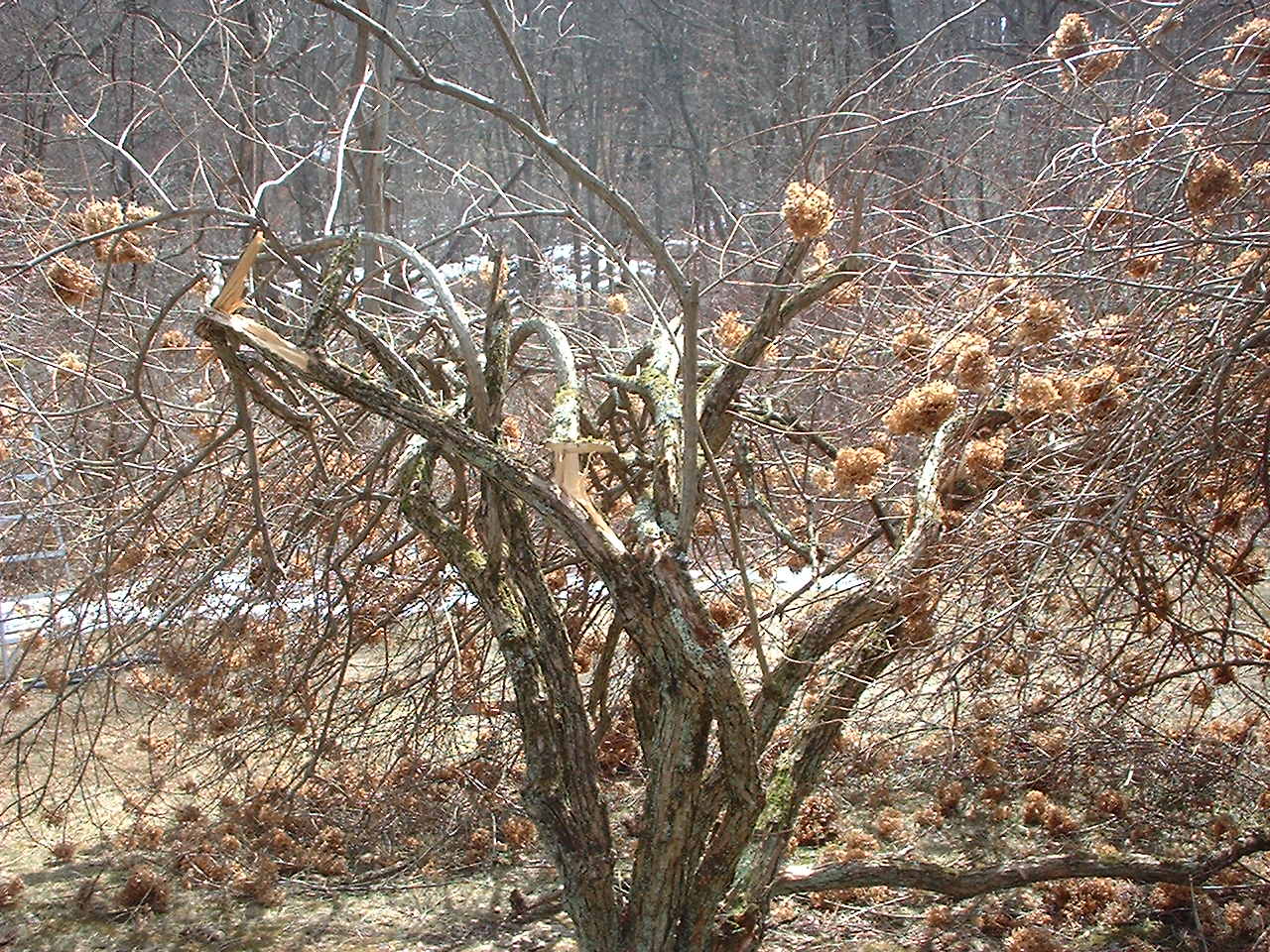
First photo taken March 27, 2010, shows it prior to trimming. The problem was that the middle of the bush
had been crushed by huge icicles. The bush needed to be reduced in size by about 75%.
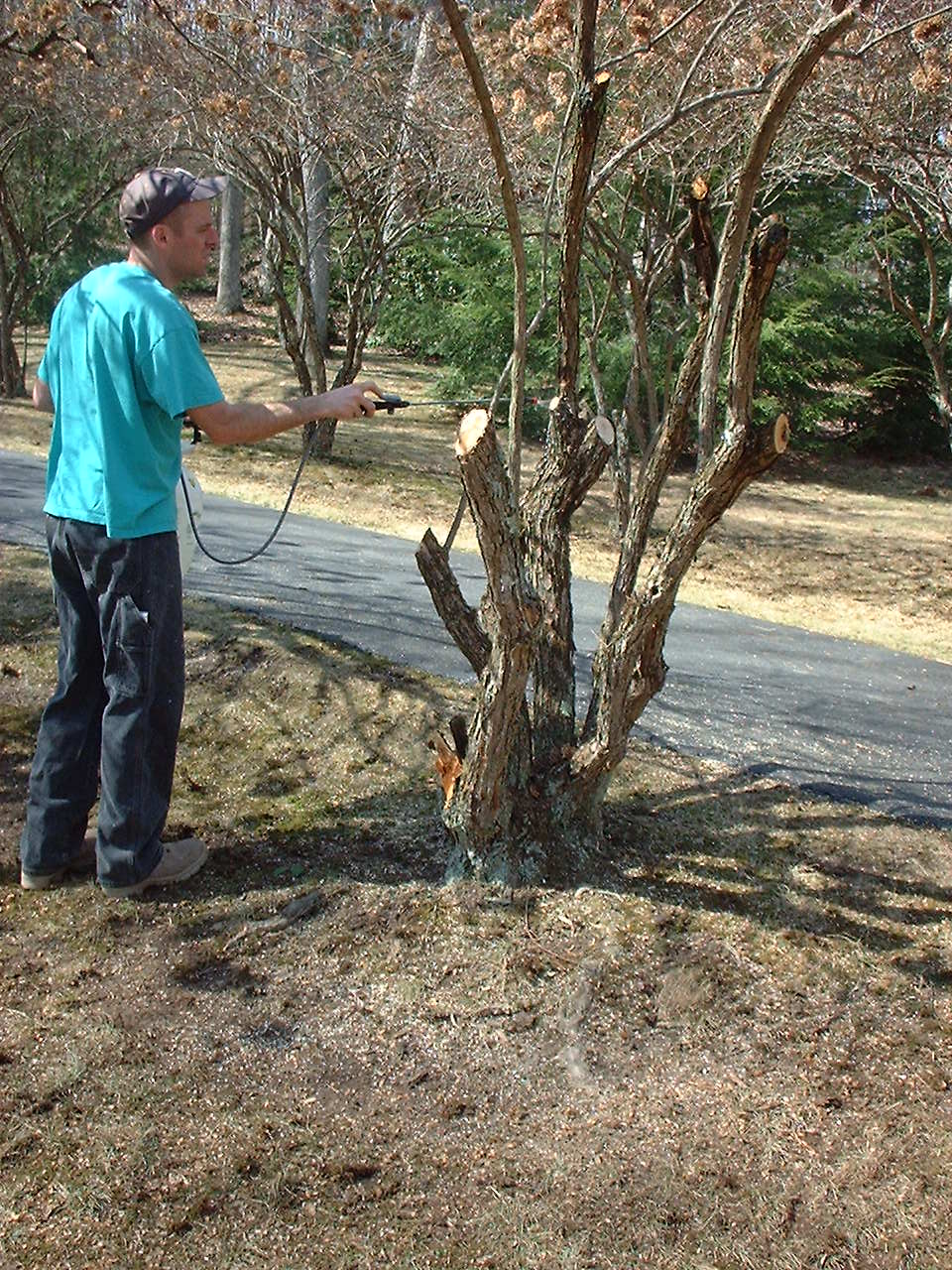
The second photo shows the bush after trimming and it is being sprayed with Tree Bandage.
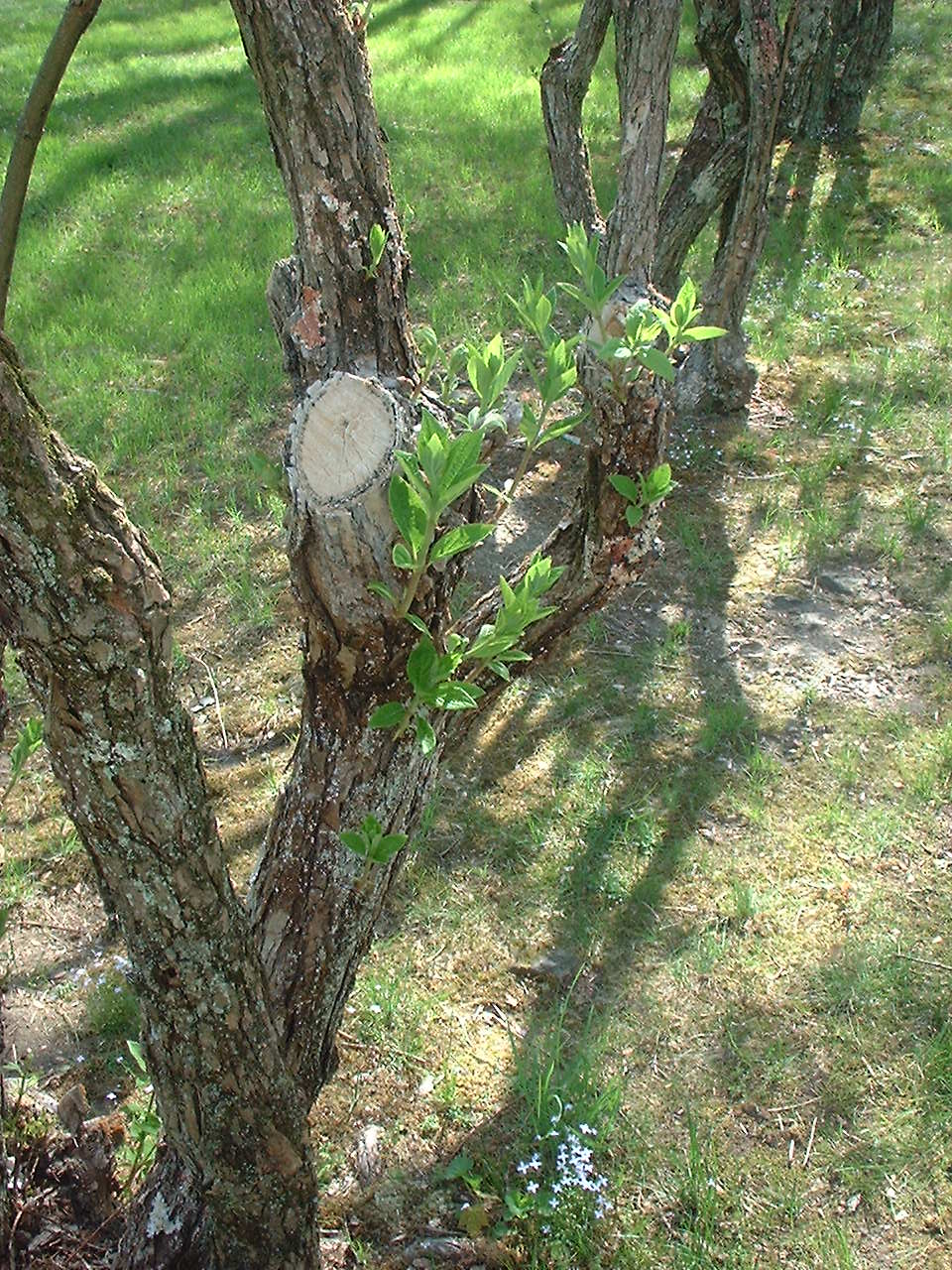
The third photo taken May 16, 2010, show the progress of the re-growth of the bush.
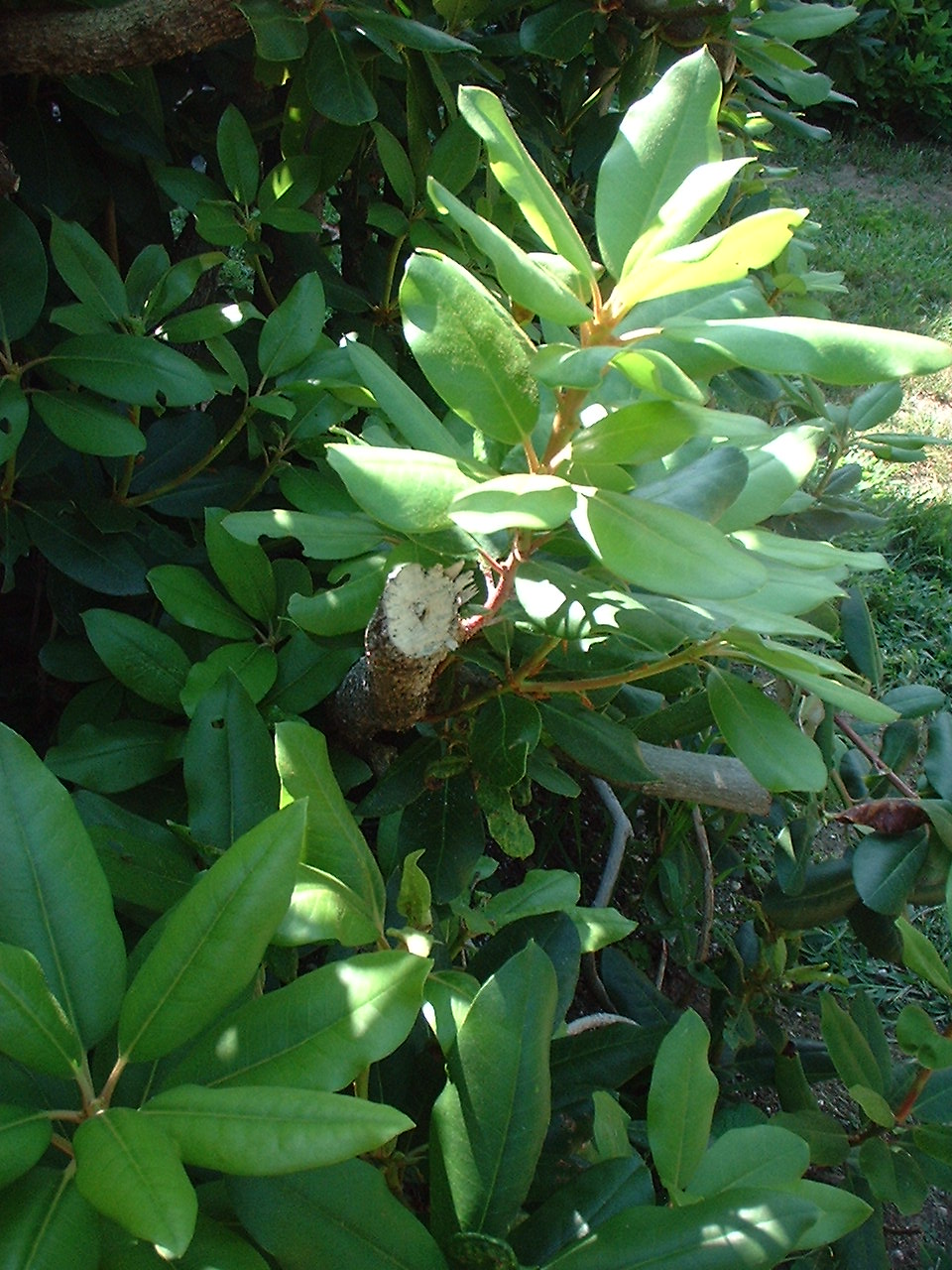
As shown in the fourth photo taken July 13, 2010, note that in no case do you have epicormic growth
occurring where the cuts were made. |
|
|
|
|
|
|
|
|
|
|
|
|
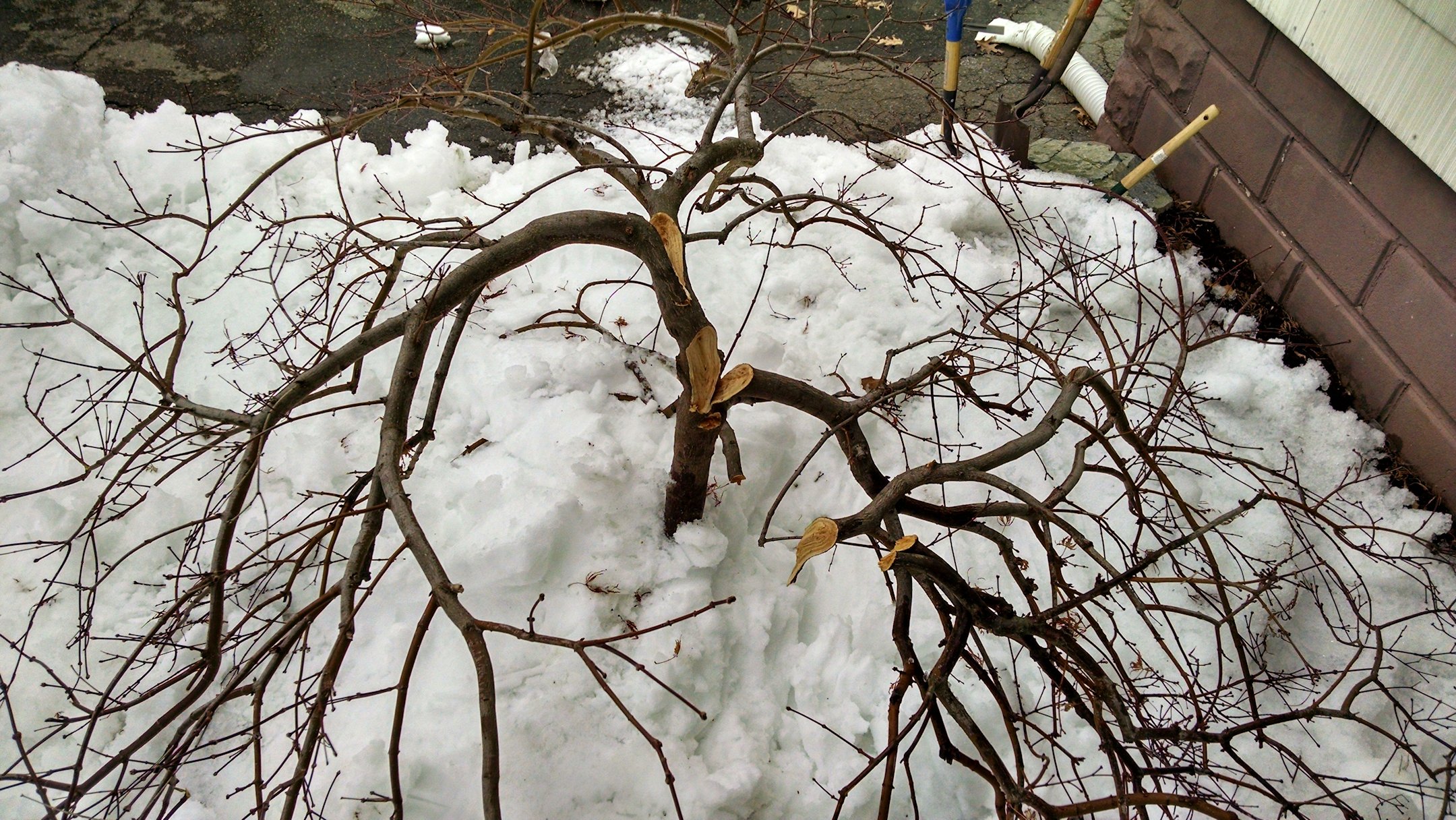
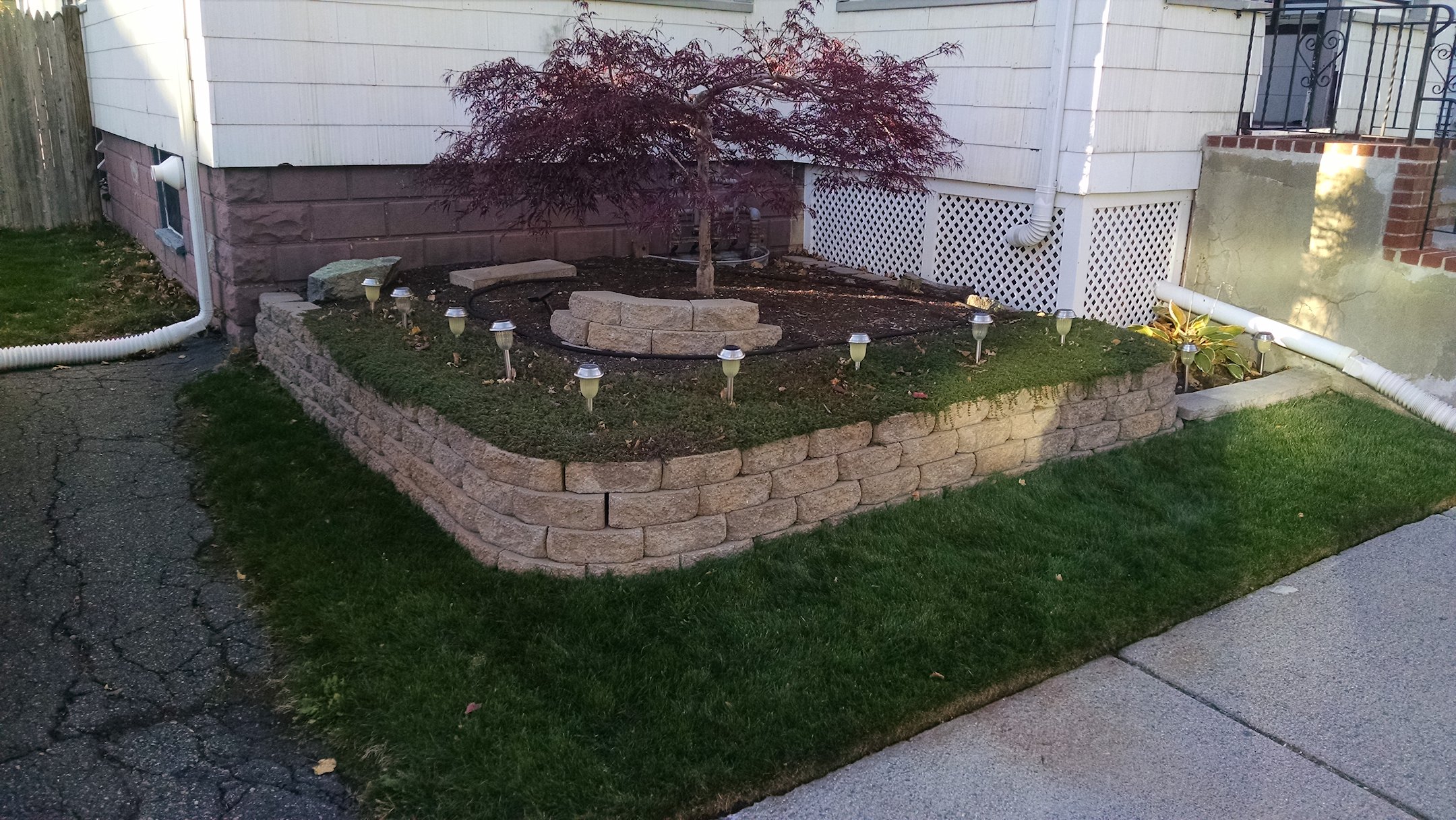
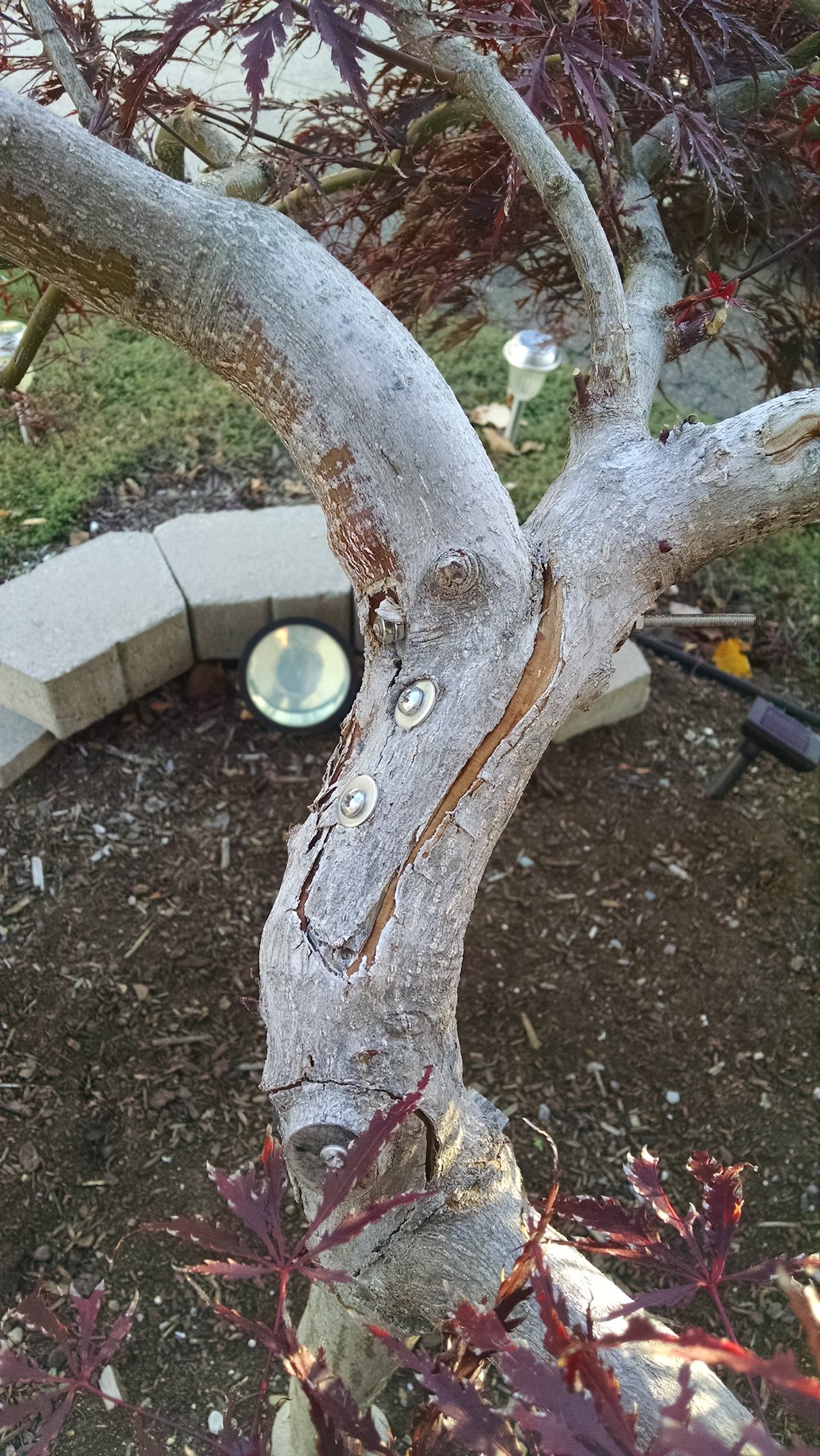
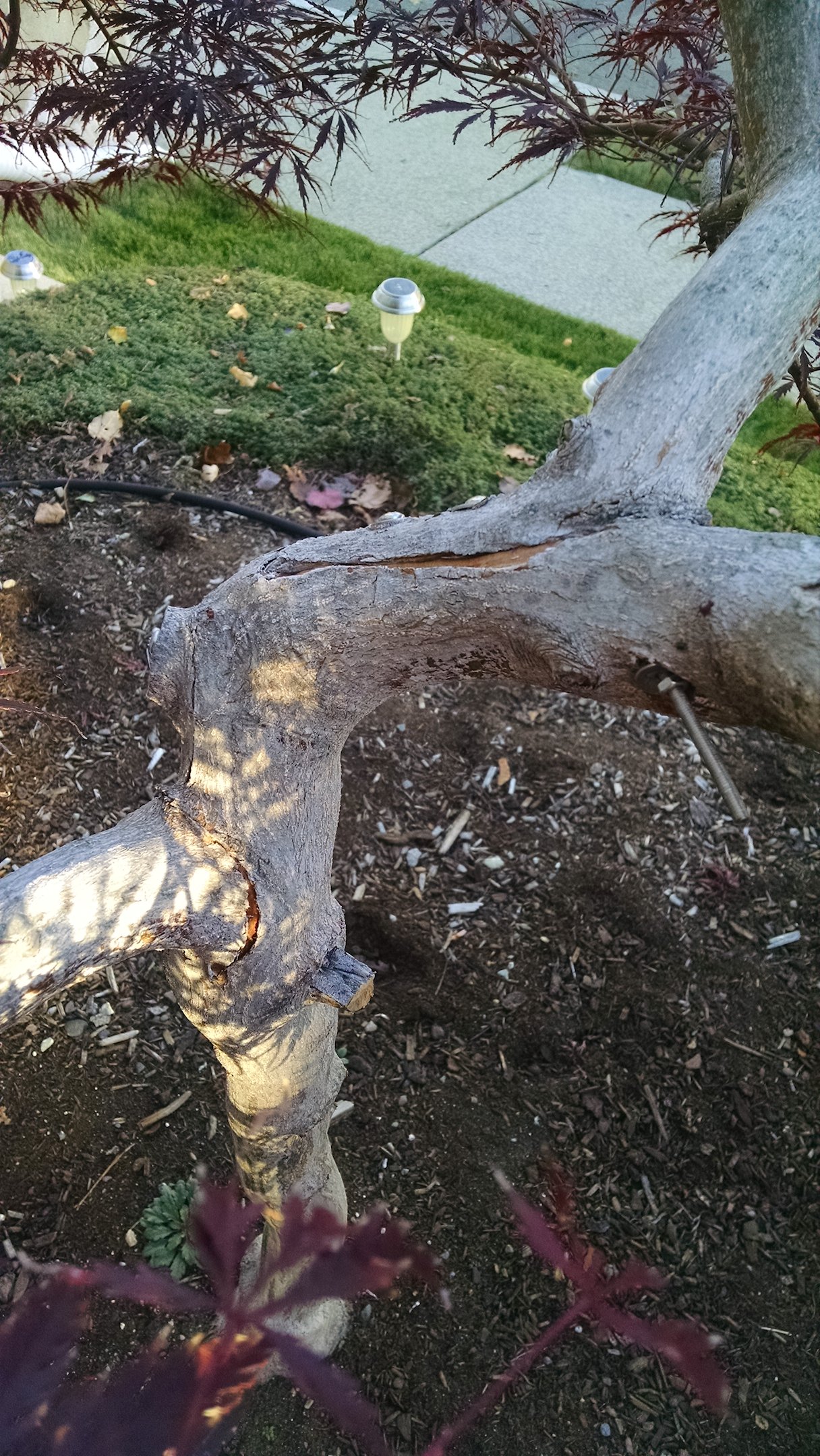
In March, 2015, a severe ice storm hit Boston, MA and broke the limbs of a Japanese ornamental maple tree, as shown in the first photo. The owner then reattached the broken limbs and sprayed them with Tree Bandage which allows the tree to callus over the wounds. As shown in the 3 "after treatment" photos taken about 7 months later, the tree shows evidence of robust recovery.
|
|
 |
|
Before |
 |
 |
 |
|
After 1 |
After 2 |
After 3 |
|
|
|
Laboratory
Tests
VOC Test
and Penetration Test
(Click Link to Download)
Material
Identification
(Click Link to Download) |
|
|
|
Safety Data Sheet
(Click Link to Download)
|
|
|
|
Download Our Brochure
(Click Link to Download)
|
|
|
|
Testimonial Video 1
(Click to view video) |
|
|
|
Contact us
at
Cincinnati, OH 45255
Telephone: 513-474-4518
E-mail
Click Icon Below to Order Tree Bandage

|
 .
.